How I made this website with Claude Code
How I made this website with Claude Code, and what changed when imaginary clients, built from my real case studies, read the first version.
3 min read
This website was designed by me and Claude Code. Here’s how it came together.
Over the last three months, I had AI interview me about my client work: what each client was facing, what we did together and what changed. With my own notes, those interviews became anonymised case studies.
In parallel, I built the first version of the site myself, and put everything I do on it, all competing for equal billing: coaching, workshops, training, ADHD, careers, transformation. It was all true, from the variety of work I’ve done over the past ten years.
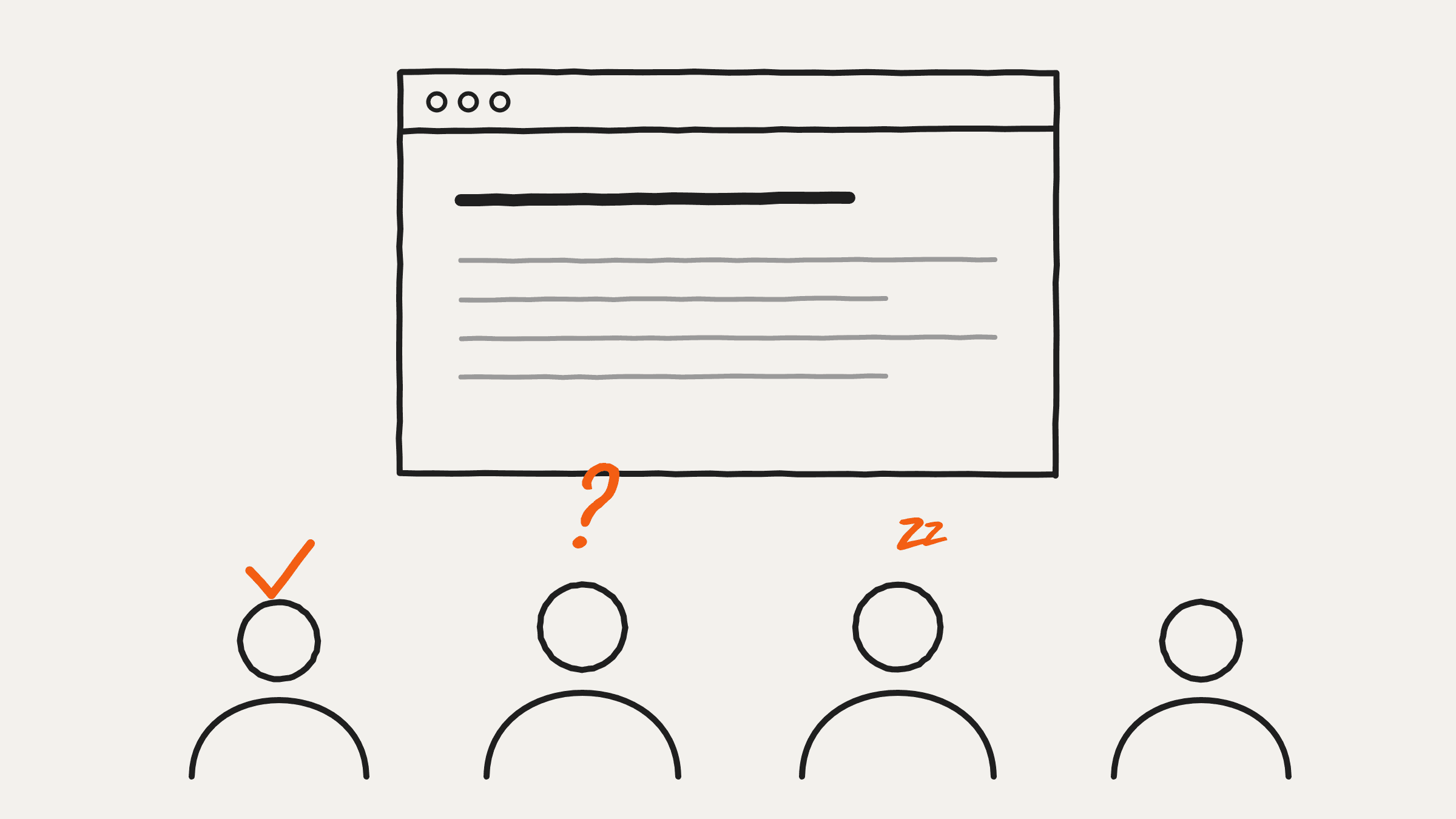
Then I tried something I hadn’t done before. From the case studies, I had AI build a set of imaginary clients, based on the real people I work with. I asked each of them to read the site and tell me what they understood, what they skipped and where they stopped reading. I asked real people too: some of my clients, when I interviewed them, and a few people close to me.
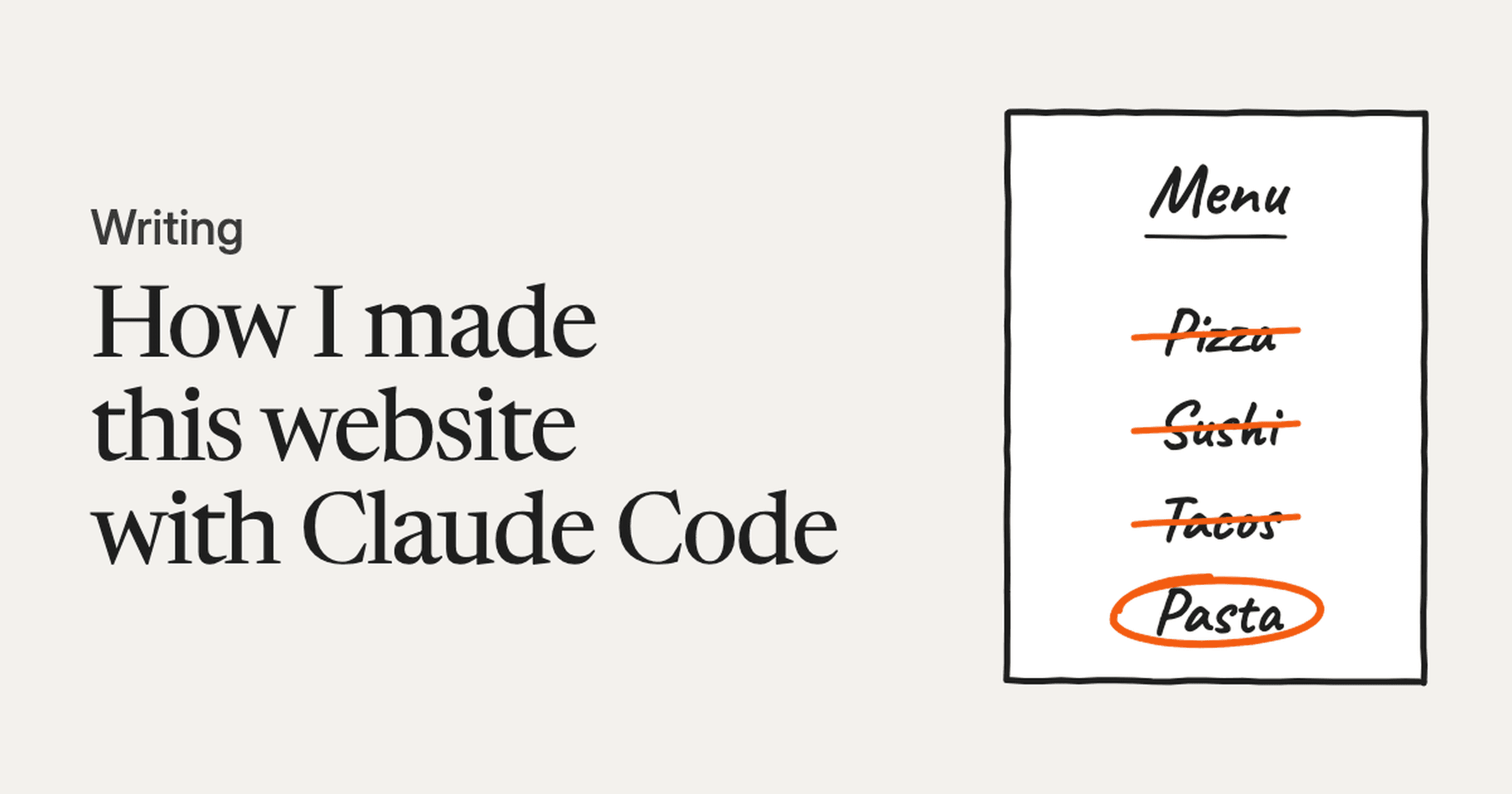
What came back was that the site read like a menu with pizza, sushi, tacos and pasta on it. People were confused and didn’t know what to choose, so it wasn’t doing its job.
So I went back to the strategy. AI took me through the same strategy exercise I run with clients, and I chose the right strategy for me: helping founders whose company is outgrowing how they run it, and the leaders around them.
Everything else is still here, a click away for the people who need it. It’s no longer crowding the front page: it’s in the footer.
The new version took three days. I started exploring the idea in ChatGPT on Sunday morning, and started building it in Claude Code that afternoon. The site went live on Wednesday morning, with 54 pages. AI helped me shape the strategy, a new brand identity and the look of every page. As each piece came together, the same imaginary clients read it again.

Most of the words on this site I dictated into Wispr Flow or wrote myself: some for this site, and some long before it, in articles, LinkedIn posts and my old website. AI assembled and copy-edited them, and I reviewed them. Getting about 28,000 words onto the pages took over 100,000 words of drafts and notes (not counting the nearly 60,000 words in the guides and templates you can download).
I built it in Claude Code, step by step, with about 50 AI agents, each doing a different job. Over the three days, I sent them about 700 prompts, and they made over 1,000 images. When I wanted an outside view, I asked ChatGPT to review the work. I set the direction, made every call, and reviewed every word and image.
The part I find most interesting is this: nobody else could have built this site, even with the same tools. It’s full of my experience, my voice and my views. It captures my personality fairly well, too.
And I couldn’t have built it without these tools, and certainly not in three days. AI brought skills I don’t have, and some I’d written down myself to help me make decisions. It kept me disciplined about the structure and layout of every page, as well as the design. It was a real collaboration.
The look of the site is a good example. The doodles started as my own pen drawings. AI redrew them cleanly, and now makes new images in the same style, like the ones on this page. The logo took about an hour: the idea and the variations were mine, and AI drew each one in Affinity until I had one I was really happy with.

It’s also fast. This page, with its images, took me about 30 minutes. Checking the whole site now takes a few prompts, ten minutes, and a bit of checking from me. That’s every link and where it goes, and every page’s title, description and share image. By hand, it would take me days.
Most of the companies I work with have their own version of the menu problem. Choosing the main dish is the hard part. That’s what I help them do.
Want help with this?
I help leadership teams choose their main dish: a day or two to agree one direction, and the first decisions that follow.

Written by
Richard Russell
Coach for founders and leadership teams